
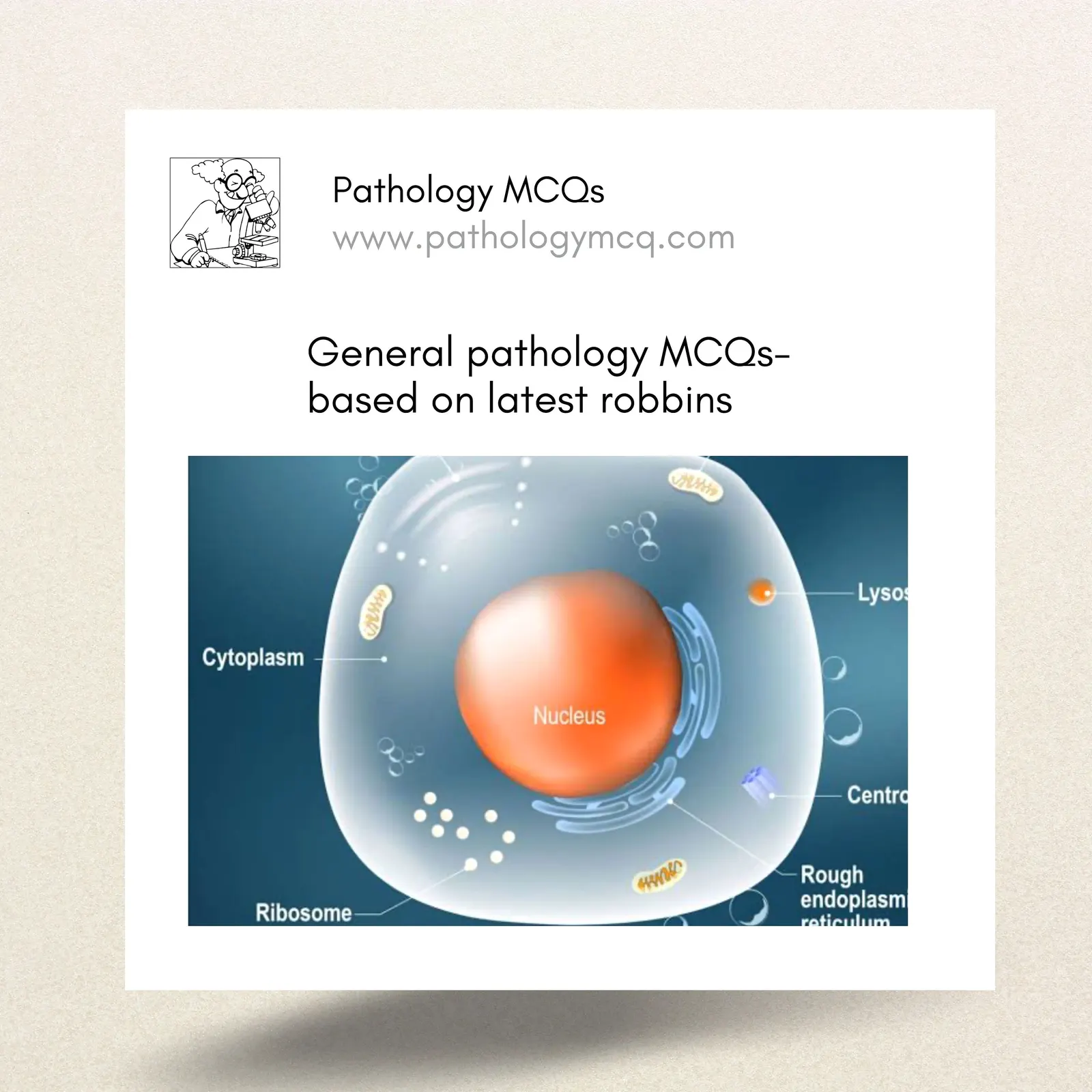
- Cellular Housekeeping: The Cell’s Maintenance Crew
- What Does Cellular Housekeeping Include?
- Plasma Membrane: The Cell’s Gatekeeper
- Why Does This Matter in Medicine?
- Key Takeaways
- Take up our Quiz!
- Frequently Asked Questions About Cellular Housekeeping in Pathology
Cellular Housekeeping: The Cell’s Maintenance Crew
Cellular housekeeping refers to the constant background operations that preserve a cell’s function, structure, and health. Like a well-run city, every cell has teams handling repair, recycling, transportation, and waste disposal. Understanding these systems is vital — not only to grasp disease mechanisms but also to ace exams like USMLE, PLAB, or FRCPath.
What Does Cellular Housekeeping Include?
Core Functions
- Removal of damaged components: Primarily via autophagy and lysosomes.
- Proteostasis: Balancing protein synthesis, folding, and degradation.
- Housekeeping gene expression: Constant transcription of essential genes (e.g., for metabolism, structural integrity).
- Homeostasis maintenance: Adjusts waste clearance, energy levels, and repair according to need.
Organelle-Based Overview
| Organelle | Function |
| Mitochondria | Energy production (ATP) |
| Lysosomes | Degradation of waste and debris via enzymes |
| Peroxisomes | Detoxification of fatty acids and peroxides |
| Golgi Apparatus | Protein/lipid modification and transport |
| Free Ribosomes | Protein synthesis in the cytosol |
| Rough ER | Protein synthesis (ribosome-bound) |
| Smooth ER | Lipid synthesis, detoxification, calcium storage |
| Nucleus | Contains DNA, controls cellular activity |
| Nucleolus | Produces ribosomes |
| Plasma Membrane | Regulates transport and signaling |
| Centrioles/Microtubules | Cell division, structure, and intracellular transport |

Plasma Membrane: The Cell’s Gatekeeper
The plasma membrane isn’t just a boundary — it regulates everything from nutrient transport to apoptosis signaling:
- Asymmetry: Inner and outer leaflets have distinct lipid compositions.
- Phosphatidylserine flip = “eat me” apoptotic signal.
- Lipid rafts = specialized membrane zones for protein sorting and signaling.
- Transport proteins help move substances via:
- Passive diffusion
- Facilitated diffusion
- Active transport
- Endocytosis & exocytosis work in tandem for cellular intake/export and recycling.
- Glycoproteins & carbohydrates aid in cell–cell communication and immune signaling.

REMEMBER: Phosphatidylserine is normally restricted to the inner face where it confers a negative charge involved in electrostatic protein interactions; however, when flipped to the extracellular leaflet, it becomes a potent “eat me” signal during programmed cell death (e.g., apoptosis).

See Image 2 & 3 for diagrams explaining membrane structure, lipid rafts, and vesicle transport mechanisms.
Why Does This Matter in Medicine?
- Neurodegeneration: Protein aggregates build up when autophagy or proteostasis fails.
- Cancer: Tumors hijack housekeeping genes to fuel rapid growth.
- Infections: Pathogens exploit faulty housekeeping (e.g., impaired autophagy in tuberculosis).
- Lysosomal storage disorders: Mutations prevent waste degradation, leading to toxic buildup.
Cellular housekeeping ensures survival and adaptability. Recognizing its failure helps decode disease origins and develop targeted treatments.
Key Takeaways
| Concept | What It Maintains | Pathological Failure |
| Autophagy | Organelle/protein cleanup | Neurodegeneration, cancer |
| Proteostasis | Protein folding/degradation | Protein aggregation in aging/disease |
| Housekeeping Gene Expression | Basic cellular function | Unchecked growth (e.g., in tumors) |
| mRNA Surveillance | Message quality control | Dysfunctional proteins |
| Lysosomal Function | Digestion of autophagic cargo | Storage diseases, hepatosplenomegaly |
Take up our Quiz!
Our Top-Picks just for you!
Explore our other expertly designed pathology products—crafted by specialists to elevate your learning experience.
Join telegram channel for regular updates- Pathology mcqs
Frequently Asked Questions About Cellular Housekeeping in Pathology
What is cellular housekeeping in pathology?
Cellular housekeeping refers to the essential maintenance processes that preserve cell function, structure, and health. These include autophagy, protein degradation, waste removal, and organelle maintenance. In pathology, disruptions in housekeeping mechanisms often underlie disease processes and pathological changes.
Which organelles are most important for cellular housekeeping?
Key organelles in cellular housekeeping include lysosomes (waste degradation), proteasomes (protein degradation), mitochondria (energy production), endoplasmic reticulum (protein synthesis and folding), Golgi apparatus (protein modification and transport), and peroxisomes (detoxification). Dysfunction in any of these can lead to specific pathologies.
How does autophagy contribute to cellular housekeeping?
Autophagy is a critical cellular housekeeping mechanism where damaged organelles and proteins are encapsulated in autophagosomes and degraded by lysosomes. Impaired autophagy is implicated in neurodegenerative diseases like Huntington's, where toxic protein aggregates accumulate in neurons due to inefficient clearance.
What are housekeeping genes and why are they important in pathology?
Housekeeping genes are essential genes expressed in all cells regardless of tissue type or condition, primarily involved in basic cellular maintenance functions. They're critical in pathology because their dysregulation can lead to disease, and they're used as references in diagnostic testing. Cancer cells often show altered housekeeping gene expression compared to normal cells.
How does cellular transport contribute to housekeeping?
Cellular transport mechanisms-including carrier-mediated transport, channel proteins, endocytosis, and exocytosis-are essential for maintaining cellular homeostasis. They regulate nutrient uptake, waste removal, and signaling molecule distribution. In pathological conditions, transport dysfunction can lead to toxic accumulations or nutrient deficiencies.
What happens when cellular housekeeping mechanisms fail?
Failure of cellular housekeeping mechanisms can result in various pathologies: protein aggregation (seen in neurodegenerative diseases), abnormal cell growth (cancer), lysosomal storage disorders, and metabolic dysfunction. For example, impaired autophagy in Huntington's disease leads to neuron death and progressive neurological symptoms.
How are endosomal vesicles involved in cellular housekeeping?
Endosomal vesicles shuttle internalized materials to other organelles inside the cell, playing crucial roles in protein trafficking and degradation pathways. Their dysfunction is implicated in various diseases, including neurodegenerative disorders and certain lysosomal storage diseases46.
What role do proteosomes play in cellular maintenance?
Proteosomes degrade tagged proteins that are misfolded, damaged, or no longer needed. This protein quality control is essential for preventing toxic protein accumulation. Proteosome dysfunction is associated with neurodegenerative diseases, inflammatory conditions, and certain cancers.
How does aging affect cellular housekeeping processes?
Aging gradually impairs cellular housekeeping processes, particularly autophagy. This age-related decline contributes to the manifestation of diseases with genetic predispositions (like Huntington's) and general cognitive decline. Research shows that enhancing autophagy may help delay age-related cellular dysfunction.
Why is understanding cellular housekeeping important for medical exams?
Understanding cellular housekeeping mechanisms is high-yield for medical exams like USMLE, NEET-PG, and board certifications in pathology. These concepts form the foundation for understanding disease pathogenesis, drug mechanisms, and diagnostic approaches across multiple medical specialties.
.